Finding the Best Dental Implants Bakersfield CA Provider
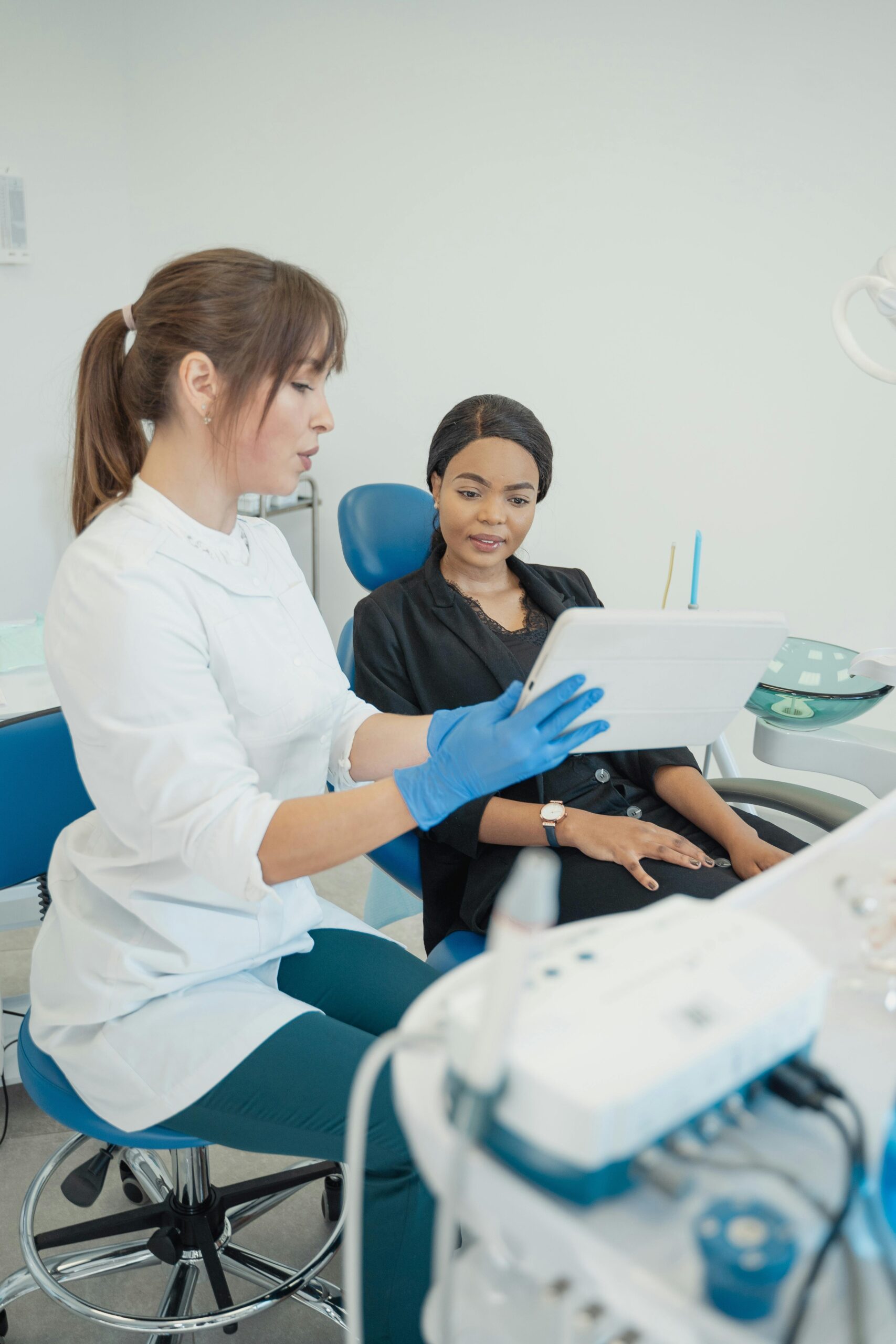

Losing a tooth changes more than a smile. It alters the way a person eats, speaks, and carries themselves in a room. Over time, it can also change the bite, the jawbone, and the health of neighboring teeth. That is why the search for the right implant provider matters so much. If you are looking into Dental Implants Bakersfield CA options, the goal is not simply to find a nearby office with a polished website. The real task is finding a clinician and team with the judgment, training, communication style, and treatment philosophy to handle your case well from first scan to final crown.
Implants can be life changing. They can also be expensive, technically demanding, and disappointing when placed without the right planning. Patients often assume every implant office offers essentially the same thing. That is rarely true. The quality of imaging, surgical planning, bone evaluation, temporary tooth design, restorative work, and follow-up care can vary more than most people realize. In a city like Bakersfield, where you can find general dentists, periodontists, oral surgeons, and multi-specialty groups all offering implant treatment, it helps to know what separates a solid provider from a risky one.
Why provider selection matters more than the marketing
Dental implants have a straightforward public image. A titanium post goes in the jaw, a crown goes on top, and the problem is solved. The reality is more nuanced. A successful implant case depends on anatomy, bite forces, gum condition, bone volume, medical history, smoking status, oral hygiene, and the precision of the final restoration. The procedure is not just about placing a screw in bone. It is about creating a stable, healthy, functional replacement that looks natural and lasts.
I have seen two patients with nearly identical missing front teeth have completely different experiences. One had a careful workup, a CT scan, gum shaping, and a custom temporary to guide healing. The final result looked seamless. The other chose the lowest quote, had the implant placed quickly, and ended up with a crown that functioned but looked long and artificial because the gumline had not been managed properly. Same problem on paper, very different outcomes in practice.
That gap in outcome is why your choice of provider deserves patience. Price matters, of course. Convenience matters too. But with implants, technical skill and planning usually have a bigger impact on the final result than a discount or a same-week appointment opening.
What a strong implant candidate evaluation should look like
A quality consultation should feel thorough, not rushed. It should cover more than whether there is an empty space where a tooth used to be. The provider should review your dental history, your overall health, any medications, and habits such as smoking or teeth grinding. They should examine the gums, check the bite, and evaluate the condition of nearby teeth. In many cases, they should also recommend 3D imaging, often a cone beam CT scan, especially if surgery is being considered.
Without detailed imaging, the clinician may not know the true width and height of available bone, the position of nearby nerves, or whether the sinus is close to the planned implant site. In the lower jaw, that matters because nerve injury, though uncommon in experienced hands, is a real risk if planning is sloppy. In the upper back jaw, sinus position can determine whether extra procedures are needed. A simple two-dimensional x-ray can be helpful, but it often does not tell the full story.
A good evaluation also addresses timing. Some implants can be placed immediately after extraction. Others should wait for healing. Immediate placement can be an excellent option when the socket is favorable and infection is controlled, but it is not always wise. A provider worth trusting will explain why your case fits or does not fit that approach, rather than pushing one method as universal.
The difference between placing an implant and finishing one well
Patients sometimes focus on the surgery because it sounds like the major event. In truth, the restorative phase matters just as much. Once the implant integrates with the bone, it still needs an abutment and crown designed to fit the gum tissue, align with the bite, and match the surrounding teeth. A poorly contoured crown can trap food, irritate tissue, and make hygiene difficult. A crown that is slightly off in bite can overload the implant and contribute to long-term problems.
This is one of the most overlooked points when comparing Dental Implants Bakersfield CA providers. Ask not only who places the implant, but who restores it. In some practices, one dentist or specialist handles the entire process. In others, a surgeon places the implant and a restorative dentist completes the crown. That team approach can work very well if communication is strong and both clinicians are experienced. It works less well when each person assumes the other is https://erickcvbe931.rivetgarden.com/posts/the-latest-technology-for-dental-implants-bakersfield-ca handling the details.
You want a provider who thinks backward from the final result. What should the tooth look like? How should the gumline frame it? Where must the implant sit so the crown emerges naturally? Experienced implant dentists and specialists plan with that end in mind. Less experienced operators sometimes place first and solve cosmetic or bite issues later, which is harder and often more expensive.
Credentials matter, but context matters more
Patients often ask whether they should choose a general dentist, oral surgeon, or periodontist. There is no one-size-fits-all answer. Many general dentists do implant work very well, especially those with advanced continuing education and a significant implant caseload. Oral surgeons often excel in extractions, grafting, sedation, and more surgically complex cases. Periodontists bring deep expertise in gum and bone support, especially where soft tissue quality is a concern.
The key is not the title alone. It is the combination of training, experience, case selection, and honesty. A clinician who knows their limits is safer than one who insists every case is routine. If you are replacing a single back tooth with adequate bone, several types of providers may be appropriate. If you need full-arch work, major grafting, sinus lifting, or management of failed prior implants, experience becomes even more important.
A reasonable question to ask is how often the provider performs the type of case you need. Not implants in general, but your kind of implant case. A single lower molar is different from a front tooth in the smile zone. A full upper arch is different from replacing one tooth after trauma. The more specific the conversation, the more useful the answer.
Red flags that deserve caution
Sometimes patients can sense when an office is wrong for them, even before they know why. The explanation is often in the details. Watch for signs that the process is built around speed and sales rather than clinical judgment.
Here are a few warning signs worth taking seriously:
- You receive a treatment quote before anyone has done proper imaging or a full exam.
- The office cannot clearly explain who performs each phase of treatment.
- Every patient is steered toward the same implant plan, regardless of anatomy or budget.
- Questions about risks, healing time, or alternatives are brushed aside.
- The only major selling point is price.
A lower fee is not automatically a problem. Neither is confident communication. But if the office feels more like a showroom than a healthcare setting, pause. Implant dentistry is not a commodity. It is personalized treatment with long-term consequences.
Price is part of the decision, but not the whole decision
Cost comes up early in almost every implant discussion, and understandably so. In Bakersfield, as in many markets, prices can vary widely based on who is doing the work, whether extraction is needed, whether grafting is needed, what materials are used, and how much of the treatment is bundled. One office may quote the surgical implant only, while another gives a package price that includes the abutment and final crown. Patients sometimes think they are comparing apples to apples when they are not.
For a single implant, total treatment can range from a few thousand dollars upward depending on complexity and components. If bone grafting, sinus augmentation, sedation, or temporary cosmetic work is involved, the final number rises. Full-arch implant treatment is a different financial category entirely. Since exact fees vary by case and office, what matters most is getting a written breakdown of what is included.
A transparent provider should explain whether the consultation fee applies toward treatment, whether imaging is included, what happens if grafting becomes necessary, and whether follow-up visits are covered. Ask about the material for the final crown, the type of implant system used, and the warranty policy, if any. A warranty is not a substitute for good care, but clarity around repair or remake costs can prevent frustration later.
Cheap implant treatment can end up being very expensive if it fails. Removing a failed implant, rebuilding the site, waiting for healing, and starting over often costs much more than doing the case correctly the first time.
The role of bone grafting and why it should not scare you
Many people hear the words bone graft and assume the case has become dangerous or extreme. Usually, it simply means the jawbone needs support either because the tooth has been missing for a while, the extraction site lost volume, or the anatomy was never ideal to begin with. Grafting is common in implant dentistry. In the right hands, it is a routine tool, not a red flag.
The more important issue is why the graft is being recommended. If the provider can show you the scan and explain the deficiency in plain language, that is a good sign. If the explanation is vague, ask more questions. Small grafts at the time of placement are common. Larger grafts may require separate healing before the implant can go in. That extends the timeline, but sometimes it also improves the odds of long-term success.
There is a trade-off here. Some providers market “teeth in a day” concepts aggressively because patients love the convenience. In carefully selected cases, immediate loading can work very well. But forcing a shortcut on a site that needs more foundation is not efficiency. It is wishful thinking. Good providers do not skip biology just to shorten the calendar.
Communication style tells you a lot
Patients often underestimate how much communication affects treatment quality. Implant care usually unfolds over months. During that time, you may need pre-operative instructions, healing guidance, temporary tooth adjustments, hygiene advice, and realistic expectations for discomfort and timing. If an office is hard to reach before you commit, it rarely becomes easier afterward.
A strong provider explains trade-offs honestly. They do not promise a painless process or a flawless cosmetic result in every case. Instead, they tell you what is predictable, what is uncertain, and what they would recommend if you were a family member in their chair. That kind of communication builds trust because it respects the complexity of the decision.
Pay attention to how the team answers basic questions. Do they welcome them? Do they rush? Do they seem coordinated? The front desk, treatment coordinator, hygienist, and clinical assistants all shape the experience. An excellent surgeon working in a chaotic system can still produce a stressful case. Implant treatment should feel organized. There are enough variables already without adding administrative confusion.
Local factors when choosing among Dental Implants Bakersfield CA providers
Bakersfield has practical considerations that patients should think through. One is travel and follow-up. If you choose an office across town because the initial fee is slightly lower, ask yourself whether you will mind that drive during healing visits or if a temporary crown loosens and needs prompt attention. Follow-up care matters more than many patients expect.
Another local factor is the range of practice models available. Some Bakersfield providers keep most implant care under one roof. Others coordinate between separate surgical and restorative offices. Neither setup is inherently better, but the logistics should be clear before you start. If referrals are involved, ask how records, scans, and impressions are shared. Cases move more smoothly when there is a defined system rather than casual handoffs.
Bakersfield also has a mix of long-established neighborhood practices and newer, heavily advertised implant centers. Both can offer good care. Both can also disappoint if the fit is wrong. Longevity in the community can be reassuring, especially if the office has a stable team and a reputation for standing behind its work. At the same time, a newer practice with advanced digital workflow and strong clinical leadership may be a better fit for some patients. The point is to evaluate substance over branding.
Reviews are useful, but read them intelligently
Online reviews can help, but they need interpretation. A five-star office may excel at friendliness and scheduling while doing average clinical work. A technically excellent provider may have a few lukewarm reviews from patients unhappy about cost or wait times. Look for patterns rather than isolated praise or complaints.
Detailed reviews tend to be more useful than emotional ones. Comments about how thoroughly the doctor explained options, how the team handled complications, whether follow-up was responsive, and whether the final implant feels solid months later carry more weight than generic lines about a nice lobby. Before and after photos can also be helpful, especially for visible front tooth cases, though photos never tell the whole story.
If a provider posts many dramatic transformations, ask how many ordinary cases they do and how they manage the less glamorous details, such as maintenance, night guards for grinders, and hygiene around implant restorations. Everyday consistency matters more than highlight-reel marketing.
Questions worth asking at the consultation
You do not need to interrogate the dentist, but a few focused questions can reveal a lot. The best consultations often feel like a conversation rather than a sales presentation.
Consider asking the following:
- How many cases like mine do you treat in a typical month or year?
- Will I need grafting, and how do you determine that?
- Who places the implant, and who makes the final crown?
- What is the expected timeline from start to finish in my case?
- What are the main risks or limitations you see for me specifically?
The most reassuring answers are usually specific, measured, and individualized. Be wary of vague certainty. Implant dentistry has high success rates in appropriate hands, but no ethical provider treats risk as nonexistent.
Healing, maintenance, and the long game
A good provider will spend time discussing what happens after placement. The surgery itself is only one chapter. Healing can take several months, depending on the site and whether grafting was done. During that period, you may need to avoid certain foods, clean around the area carefully, and return for periodic checks. The final restoration may also require small bite adjustments after you begin using it regularly.
Long-term maintenance is just as important. Implants do not get cavities, but they can fail from bone loss, inflammation, or overload. Poor home care, smoking, uncontrolled diabetes, and untreated grinding all raise the stakes. The best implant providers make this clear without sounding alarmist. They want you to understand that an implant is a premium replacement option, not a set-it-and-forget-it appliance.
This is especially relevant for patients replacing multiple teeth or pursuing full-arch treatment. Those restorations can dramatically improve function and confidence, but they require diligent cleaning and periodic professional maintenance. If a provider markets them as maintenance-free, that is a sign they are oversimplifying.
When a second opinion makes sense
Second opinions are not a sign of distrust. They are often smart, especially if the treatment plan is complex, expensive, or urgent. If one Bakersfield office recommends immediate placement with no graft and another recommends staged treatment with grafting, it is fair to ask why. Differences in opinion do not automatically mean one office is wrong. They may reflect different philosophies, different levels of risk tolerance, or different assessments of what is most predictable.
A second opinion is particularly worthwhile if you have been told you are not a candidate for implants, or if someone says you definitely are a candidate without detailed imaging. The truth often sits in the specifics. Bone can sometimes be augmented. Medical factors can sometimes be managed. Expectations can sometimes be adjusted. What matters is finding a provider who evaluates your actual anatomy and health rather than squeezing you into a generic answer.
The best choice often feels steady, not flashy
When patients describe the provider they were happiest with years later, they rarely focus on the office décor or the ad that first caught their attention. They talk about feeling heard. They remember that the treatment plan made sense, the process was organized, and the final tooth felt natural. They appreciated clear expectations and a team that responded when something needed attention.
That is the right lens for evaluating Dental Implants Bakersfield CA providers. Look for steadiness. Look for evidence of thoughtful planning. Look for a clinician who can explain not just what they want to do, but why that approach fits your anatomy, your priorities, and your budget. The right office will not pressure you to move faster than you are ready. They will help you make an informed decision and set realistic expectations from the beginning.
A dental implant is meant to restore something you miss every day without forcing you to think about it every hour. Choosing the right provider is how you get closer to that outcome. Not by chasing the lowest quote, and not by assuming every implant offer is equal, but by finding the practice that combines experience, discipline, transparency, and follow-through. That is what turns a procedure into a result you can live with comfortably for years.
Smyle Dental Bakersfield
2016 E St, Bakersfield, CA 93301, United States
+16614939040
FAQ About Dental Implants Bakersfield CA
What is the downside of a dental implant?
The main downsides of dental implants involve high financial costs, surgical risks, a lengthy healing process, and the potential for long-term complications.
How much does a full set of implants usually cost?
A full set of dental implants (covering both the upper and lower arches) typically ranges from $6,000 to $90,000+, depending heavily on the type of treatment, materials used, and whether the teeth are fixed or removable.
Can I have all my teeth pulled and get implants?
Yes, you can have all your teeth pulled and replaced with dental implants. Instead of placing a separate implant for every single tooth (which is costly and time-consuming), dentists typically use full-arch systems.