Dental Implants Bakersfield CA: Signs You May Be a Good Candidate

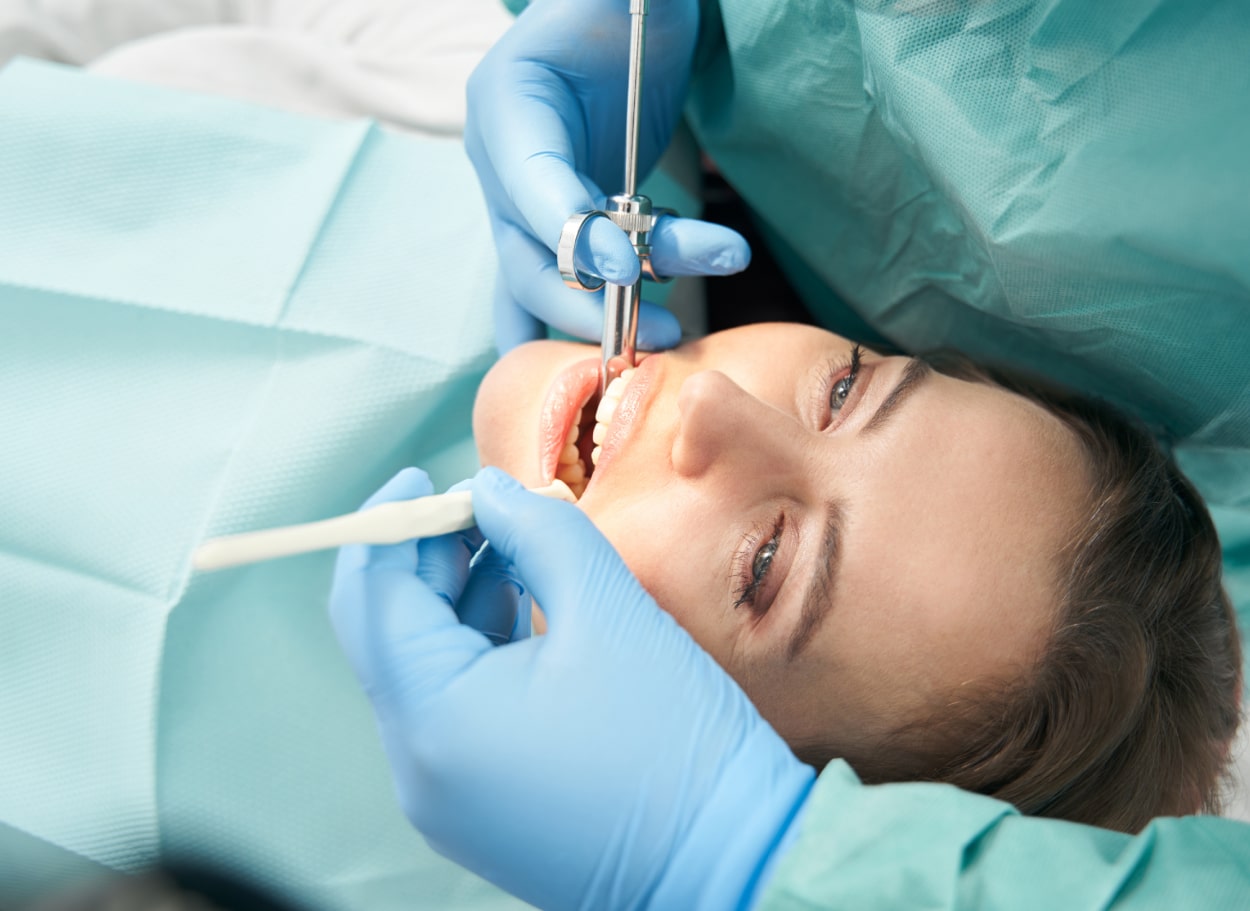
Losing a tooth changes more than your smile. It alters how you chew, how you speak, and often how confident you feel in ordinary moments, like ordering lunch or laughing in a group. For many adults, the bigger surprise comes later, when they realize a missing tooth does not stay a simple gap for long. Neighboring teeth can drift. The opposing tooth can begin to over-erupt. Bone in the area may gradually shrink because it is no longer being stimulated by a tooth root.
That is why dental implants remain such an important option for tooth replacement. They do something a bridge or removable denture cannot fully replicate. An implant replaces the root as well as the visible tooth, which helps support jawbone and gives the restoration a more stable feel. If you have been researching Dental Implants Bakersfield CA, you are probably trying to answer a practical question before anything else: am I actually a good candidate?
The short answer is that many people are, including some who initially assume they are not. Age alone rarely rules someone out. Neither does having gone years with a missing tooth. Even patients with bone loss, gum problems, or certain health conditions may still qualify after the right preparation. The better question is not whether you fit a perfect profile. It is whether your mouth and overall health can support the implant process safely and predictably.
What makes an implant candidate strong
A dental implant succeeds when bone heals tightly around the titanium post, a process called osseointegration. That healing depends on a few core conditions. The site needs enough healthy bone, the gums should be reasonably stable, and the patient must be able to heal without major interference from uncontrolled medical issues or heavy tobacco use. Good candidates also tend to be realistic and patient. Implants are not usually a same-day fix from start to finish. Even in straightforward cases, treatment often unfolds over several months.
One thing I have seen confuse patients is the idea that implants are reserved for people with flawless oral health. That is not how treatment works in real life. Many implant patients seek care precisely because something has already gone wrong. They may have lost a tooth to decay, fracture, or periodontal disease. What matters is whether the underlying problem has been treated or can be treated before implant placement.
A person with excellent brushing habits but severe bone loss from an old extraction may need grafting first. Another patient with modest plaque buildup but healthy bone and gums may be a simpler implant case. Candidacy is not a character judgment. It is a clinical assessment.
A missing tooth, or several, that you want replaced permanently
The clearest sign you may be a good candidate is also the most obvious: you have one or more missing teeth and want a fixed solution. Implants can support a single crown, a multi-tooth bridge, or even a full-arch restoration in the right case. That flexibility is one reason so many people start looking into Dental Implants Bakersfield CA after trying to manage with a removable partial or denture and finding it frustrating.
Patients often describe the same set of everyday annoyances. Food catches under a removable appliance. Adhesives become part of the morning routine. Speech feels slightly off. The denture shifts when chewing tougher foods. None of those issues are minor when they happen every day. A well-planned implant restoration can https://brooksusid058.oakridgedigest.com/posts/from-consultation-to-recovery-dental-implants-bakersfield-ca-explained remove much of that uncertainty.
Single-tooth implants are especially appealing when the neighboring teeth are healthy. A traditional bridge usually requires reshaping adjacent teeth to hold crowns. An implant often lets those neighboring teeth remain untouched. That is a meaningful long-term advantage.
Your jawbone may be stronger than you think
Many people dismiss themselves as candidates before they ever sit in the chair. They assume they have had a missing tooth for too long, or they were told years ago that they did not have enough bone. Bone quantity matters, but modern implant planning is far more nuanced than a simple yes or no.
Three-dimensional imaging now allows a dentist or oral surgeon to evaluate height, width, density, and nearby anatomy in detail. In the upper jaw, sinus position can affect planning. In the lower jaw, nerve location is critical. Sometimes a site has enough bone for an implant exactly as it is. Sometimes it needs a smaller implant, a different angle, or a grafting procedure beforehand.
Bone grafting sounds intimidating to many patients, but it is a routine part of implant dentistry. If you lost a tooth a long time ago and the ridge has narrowed, grafting may rebuild the area. If an upper back tooth is missing and the sinus has expanded into the space, a sinus lift may create the volume needed. These are not small details, and they do add time and cost, but they often turn a borderline case into a workable one.
The practical takeaway is simple: do not count yourself out because a gap has been there for years. Delayed treatment can make the process more involved, but not necessarily impossible.
Healthy gums matter more than people realize
An implant sits in bone, but the surrounding gum tissue plays a major role in long-term success. If your gums are inflamed, bleeding, or affected by untreated periodontal disease, that does not automatically disqualify you. It does mean treatment should slow down long enough to stabilize the foundation.
This is an area where experienced clinicians tend to be cautious for good reason. Placing an implant into a mouth with active gum disease can create a polished result that is biologically vulnerable. The implant itself cannot get a cavity, but the tissues around it can become infected and inflamed. Peri-implant disease is real, and it is often linked to the same risk factors that cause periodontal problems around natural teeth.
Patients who do best with implants usually understand that maintenance does not end after placement. They are willing to come in for cleanings, address home care honestly, and follow instructions if inflammation starts to show up. That willingness is a sign of candidacy just as much as any scan or X-ray.
You can heal predictably
Healing capacity shapes implant success. A well-controlled diabetic patient may heal very well. A patient with uncontrolled blood sugar may face a higher risk of complications. Someone taking medications that affect bone metabolism may need a more careful risk review. A history of radiation to the jaws also changes the conversation.
This part of the evaluation should be thorough, and a good implant team will ask detailed medical questions. That is not bureaucracy. It is the difference between a treatment plan that looks good on paper and one that is built for the patient in front of them.
If you are wondering what health factors tend to matter most, these are often central in candidacy discussions:
- stable gum health or a plan to achieve it before surgery
- adequate bone volume, or the ability to rebuild bone with grafting
- manageable medical conditions with physician coordination when needed
- limited or discontinued tobacco use
- commitment to home care and follow-up visits
One point deserves emphasis. Smoking and vaping can interfere with healing and increase implant risk. Not every smoker is automatically refused treatment, but heavy tobacco use often pushes a case into a higher-risk category. Some practices will require nicotine reduction or cessation before surgery, especially in grafting cases. Patients sometimes see this as overly strict until they understand what failure looks like: delayed healing, tissue breakdown, or loss of integration after significant time and expense.
You are tired of removable solutions
One of the strongest signs that someone may be ready for implants is not visible on a scan. It comes out in conversation. They are done making compromises with a removable appliance.
This happens often with lower dentures. Even a well-made lower denture can be hard to stabilize because the lower jaw offers less suction and is constantly moving with the tongue and cheeks. Patients describe chasing the denture with their facial muscles while they eat. They avoid steak, crusty bread, apples, and certain social settings. Some stop wearing the denture unless they absolutely have to.
In cases like that, even two implants to help retain a lower overdenture can be life changing. A full fixed solution is one option, but it is not the only one. Good candidacy is also about matching the treatment to the patient’s anatomy, budget, and goals. Sometimes the best answer is not the most extensive plan. It is the one that solves the patient’s daily problems reliably.
You have realistic expectations about time, cost, and maintenance
People often focus on the surgical appointment, but implants involve several phases. Extraction may come first. Bone grafting may or may not be needed. Then there is healing, implant placement, more healing, and finally the restoration phase when the crown, bridge, or denture is attached. In some situations, immediate placement or immediate temporary teeth are possible. In others, rushing increases risk.
A strong candidate understands that each phase has a purpose. They ask good questions, but they are not looking for shortcuts at any cost. They want a durable result.
Cost matters too, and it should be discussed plainly. Dental implants usually carry a higher upfront cost than bridges or dentures. That can feel steep, especially when more than one tooth is involved. But cost should be weighed against lifespan, maintenance, comfort, and the effect on adjacent teeth and bone. A less expensive option can still be the right one for some patients. The key is informed choice, not pressure.
Patients tend to regret implants less when they entered the process with a clear picture of the trade-offs. They knew what healing would involve. They knew temporary solutions might be part of the process. They knew regular professional maintenance would still matter after the final teeth were delivered.
When age helps less than habits
A common question is whether someone is too old for implants. In most cases, age itself is not the deciding factor. I have seen healthy older adults make excellent implant candidates because they keep regular dental visits, manage their medical conditions well, and follow directions carefully. By contrast, a much younger patient with uncontrolled periodontal disease and heavy smoking may be a poor candidate at that moment.
That distinction matters because it reframes the discussion. Implant success tracks more closely with biology and habits than with birthday candles. Adults of many ages can qualify if the supporting conditions are right.
The opposite end of the age range matters too. Younger patients whose jaws are still developing usually need to wait until growth is complete before receiving implants. For fully grown adults, the conversation shifts away from age and toward anatomy, health status, and goals.
The consultation should feel detailed, not rushed
If you are seriously considering Dental Implants Bakersfield CA, one of the best signs you are in the right place is the quality of the consultation. Implant planning should be careful. You should expect a review of your dental history, medical history, imaging, bite, gum condition, and the condition of neighboring teeth. You should also expect a discussion of alternatives.
A trustworthy consultation does not present implants as the answer for every missing tooth. Sometimes a bridge is the cleaner choice. Sometimes a removable option makes more sense because of health limitations or financial realities. Sometimes the best next step is not surgery, but periodontal treatment, extractions, or a graft to prepare the site.
Patients can tell when a clinician is planning around their mouth rather than around a standard sales script. The treatment feels individualized. The timing makes sense. Risks are explained in plain language. Questions are welcomed.
Here are a few signs your implant evaluation is being handled properly:
- imaging is used to assess bone and anatomy, not guesswork alone
- gum disease or decay elsewhere in the mouth is addressed before implant placement
- alternatives are discussed honestly, including their advantages and drawbacks
- the timeline includes healing phases instead of promising unrealistic speed
- maintenance expectations are explained before treatment starts
Those details may not sound glamorous, but they are what separate a carefully built case from one that runs into preventable trouble later.
Situations that may require extra planning, not automatic rejection
Some patients hear one complicating factor and assume implants are off the table. Often, that is not true. It usually means the plan needs to be sequenced properly.
Take the patient who lost a back molar years ago and now has a sunken ridge. That person may need grafting first. Another patient may grind or clench heavily and need a night guard after restoration to protect the implant crown from overload. Someone with a history of gum disease may need periodontal maintenance at tighter intervals. A patient with multiple failing teeth may need a staged plan rather than trying to fix everything at once.
The most experienced implant providers tend to be neither overly optimistic nor overly negative. They are measured. They know when a case is straightforward and when it needs collaboration with a periodontist, oral surgeon, or restorative dentist. They also know that “possible” and “wise” are not always the same word. A treatment may be technically possible but only advisable if the patient is ready to maintain it.
What people in Bakersfield often want to know first
Local patients tend to ask practical questions before they ask technical ones. Will I be without a tooth while it heals? Will it hurt? How many appointments are involved? Can I afford to do this one tooth at a time?
Those are the right questions. In many cases, temporary options can keep the space filled while healing occurs, especially in visible areas. Surgical discomfort is often less dramatic than people fear, though recovery varies depending on whether extraction, grafting, or multiple implants are involved. As for sequencing, many patients do phase treatment over time. A plan does not always need to be all or nothing.
That flexibility can make Dental Implants Bakersfield CA more approachable for patients who are balancing family schedules, work responsibilities, and budget concerns. The important part is not speed. It is building a sequence that protects the final result.
Everyday signs you may be ready to move forward
Sometimes candidacy shows up less in clinical measurements and more in the patterns of your daily life. You may already be in the group that should schedule an implant consultation if any of the following feel familiar: you avoid chewing on one side because of a gap, your denture moves when you talk, a bridge has failed and you do not want to reduce additional teeth, or you are embarrassed by a missing front tooth and want something that feels stable.
Another sign is that you are still healthy enough for elective dental care and would rather address the problem now than after more bone is lost. Waiting does not always remove the option, but it can make treatment more complex. Many patients say they wish they had looked into implants sooner, not because the process was easy, but because the problem had been affecting their quality of life more than they admitted.
The best candidate is not perfect, just prepared
Implant dentistry is at its best when it is personalized. The strongest candidates are not necessarily the people with ideal textbook mouths. They are the people whose oral condition, overall health, and expectations line up well with what implants require. They are open to preparatory care if needed. They understand the timeline. They are ready to protect the investment once treatment is done.
If you have been weighing your options for a missing tooth or an unstable denture, a consultation is the only way to know where you truly stand. You may need no preliminary treatment at all. You may need gum therapy or grafting first. Either way, a careful evaluation can replace guesswork with specifics.
For many adults, that conversation brings relief. The question shifts from “am I too late?” to “what would a sound plan look like for me?” And that is usually the right place to start.
Smyle Dental Bakersfield
2016 E St, Bakersfield, CA 93301, United States
+16614939040
FAQ About Dental Implants Bakersfield CA
What is the downside of a dental implant?
The main downsides of dental implants involve high financial costs, surgical risks, a lengthy healing process, and the potential for long-term complications.
How much does a full set of implants usually cost?
A full set of dental implants (covering both the upper and lower arches) typically ranges from $6,000 to $90,000+, depending heavily on the type of treatment, materials used, and whether the teeth are fixed or removable.
Can I have all my teeth pulled and get implants?
Yes, you can have all your teeth pulled and replaced with dental implants. Instead of placing a separate implant for every single tooth (which is costly and time-consuming), dentists typically use full-arch systems.